The Bid Club: How Fan Communities Are Banding Together to Buy Their Idols' Diamonds
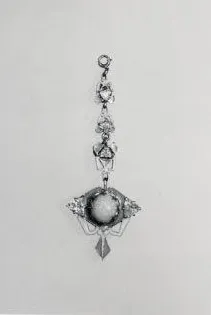
Photo: René Lalique, CC0, via Wikimedia Commons
Picture a smoky auction room — well, these days, a livestreamed one — and a pendant that once hung from the neck of a departed icon. The hammer's about to fall. Twenty years ago, the winning paddle belonged to a hedge fund guy or a Vegas casino. Today? It might belong to a 19-year-old in Ohio operating a shared account on behalf of 4,300 strangers she met on Discord.
Welcome to the era of crowdfunded carats.
From Fan Clubs to Bidding Wars
The mechanics are surprisingly simple, even if the emotions aren't. A fandom organizes — usually in a private Discord server, a dedicated subreddit, or a Facebook group that's been quietly running for a decade. Someone with a trustworthy reputation becomes the treasurer. A GoFundMe or a platform like Ko-Fi collects donations, often capped at $5 or $10 per person so nobody's retirement savings end up in escrow.
Then they bid.
The pieces in question aren't random trinkets, either. Estate auctions from major houses like Julien's and Heritage regularly feature stage-worn jewelry: the rhinestone choker from the farewell tour, the ring worn on the Tonight Show in 1987, the pendant from the album cover everyone has tattooed on their forearm. These lots routinely fetch five and six figures, and fan collectives are increasingly competitive against the deep-pocketed institutions that used to dominate.
The Custody Problem
Here's where it gets genuinely novel. When one person buys a diamond, that's clean. When 4,000 people do, somebody has to answer a very awkward question: who actually keeps the thing?
The answer, it turns out, is everything from a formal LLC with a rotating board to what one collector calls a "group custody arrangement" — a notarized agreement naming a custodian, scheduled display events, and, in at least one documented case, an annual convention appearance where members can line up and take a photo with the piece.
Some collectives have gotten even more official. A handful of fan groups have registered nonprofits, which conveniently lets them apply for museum-style loans and insurance rates that a loose Discord chat could never secure. Others draft bylaws that read like a homeowners association charter, complete with clauses covering what happens if the custodian "goes dark" — a real fear when your most valuable asset lives in someone's spare bedroom in Tampa.
The Auction Houses Adapt
The big houses aren't fighting this trend; they're courting it. Group buyers show up loud, loyal, and media-ready. A pendant that goes to a silent vault generates one headline. The same pendant going to a fan collective generates a TikTok moment, a local news segment, and — not coincidentally — buzz for the next estate sale.
That said, the logistics give registrars headaches. Auction houses typically require a single registered bidder, which means the collective designates one person, often with a power-of-attorney style document backing them up. Payment must come from one verified source, so the pooled funds usually route through the collective's LLC account before clearing the house. Escrow services that specialize in fan acquisitions have even popped up to referee.
Why Fans Are Doing This at All
Skeptics will call it sentimentality with a wire transfer. But talk to the people running these collectives and a clearer picture emerges: it's about access and permanence.
"A billionaire buys the ring and it disappears for thirty years," says the moderator of one country-music fandom group that successfully acquired a stage-worn bracelet last year. "We buy it, and it goes to fan conventions. Kids get to see it. That's the whole point."
There's also a defensive instinct at play. Fans have watched beloved artifacts vanish into private collections or, worse, get flipped at a markup two years later. Pooling money is a way of keeping the artifact in the family, so to speak — the family being everyone who ever screamed the lyrics from a lawn seat.
The Risks Nobody Puts in the GoFundMe
It's not all sparkle. Collectives have been burned. One high-profile campaign in 2023 collapsed mid-auction when the treasurer went offline with the funds, and the piece sold to a private collector anyway. Legal gray areas abound: informal crowdfunding for a shared asset can create tax headaches, and without formal structure, "group ownership" may not hold up if two members both claim the pendant.
Experienced organizers now preach the same gospel: form the entity first, get everything in writing, insure the piece before the invoice even clears, and never — never — run the money through a personal Venmo.
The Spotlight, Shared
There's something fitting about all of this. These artists built careers on crowds — the standing-room shows, the fan clubs, the mail-order newsletters. It tracks that their diamonds would end up owned the same way: not by one person, but by everyone who showed up.
The next estate auction is coming. Somewhere, a Discord server is already taking a vote.