Ice Without the Invoice: Inside the Stylist Tricks Behind Red Carpet Sparkle
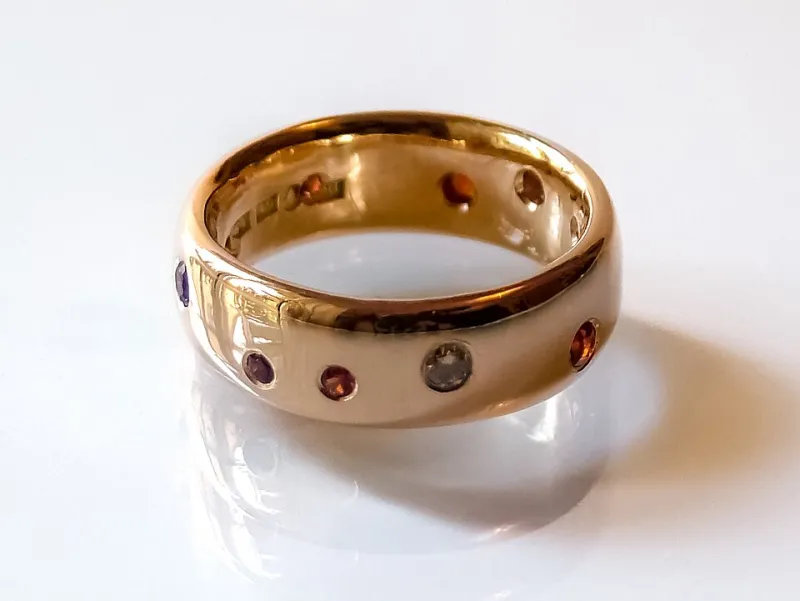
Photo: W.carter, CC BY-SA 4.0, via Wikimedia Commons
Here's a secret the red carpet doesn't want you to know: half the 'diamonds' blinking back at the paparazzi in Los Angeles aren't diamonds at all.
That's not gossip — it's basic math. When a stylist dresses three clients for award season and each look needs matching ear candy, bracelets, and rings, renting or faking the sparkle isn't a shortcut. It's the job. And the tricks they use? You can steal every single one of them.
The Lab-Grown Revolution Changed Everything
Ten years ago, admitting your rocks came from a lab was taboo. Today, it's practically a flex.
Lab-grown diamonds are chemically identical to mined stones — same carbon structure, same fire, same hardness. The only real difference is the origin story and the price tag. A one-carat lab-grown solitaire typically runs $1,000 to $2,500. The mined equivalent? Often $5,000 to $8,000 or more.
"My celebrity clients stopped asking 'is it real?' years ago," says a Los Angeles-based fine jeweler who works with touring artists. "Now they ask 'is it flawless?' Nobody on a red carpet is asking to see a certificate."
That shift means stylists can build entire jewelry wardrobes — tennis bracelets, stackable rings, drop earrings — for the cost of one mined statement piece.
Cubic Zirconia: The Unsung Hero of Award Season
Let's give CZ its flowers. Modern high-grade cubic zirconia, especially the premium cuts coming out of specialty suppliers, can fool a photographer from twenty feet away. Under flash lighting, it actually performs better than diamond in some cases, throwing off bigger rainbow flashes.
Stylists call it "camera jewelry." It's rented by the tray, insured for pennies, and if it gets lost in a party bus, nobody's filing a police report.
The catch is simple: CZ scratches over time and loses its polish. But for a single night of photos? It's unbeatable value.
The Hacks You Can Actually Use
Want the glam without the invoice? Here's the stylist playbook:
- Go big on one piece. A single dramatic chandelier earring or cocktail ring reads as expensive. Five small pieces read as costume.
- Mind the metal. Rhodium-plated sterling silver looks identical to white gold on camera and costs a fraction.
- Choose brilliant cuts. Round and oval cuts with many facets hide a stone's origin better than emerald or step cuts.
- Keep it clean. A jewelry polishing cloth and a drop of dish soap make cheap stones sparkle like the ones in a Fifth Avenue window.
- Shop the right places. Etsy's lab-grown sellers, Brilliant Earth, Clean Origin, and even the CZ collections at Nordstrom deliver serious sparkle under $300.
What Things Actually Cost
A quick reality check on the sparkle economy:
- CZ statement earrings: $30–$80
- Lab-grown 1-carat studs: $1,200–$2,500
- Mined 1-carat studs: $5,000–$9,000
- Rhinestone red carpet replicas: $15–$50
- Moissanite (the stylist dark horse): a 2-carat look for around $400, with more fire than diamond
That last one deserves a spotlight. Moissanite has become the industry's favorite stand-in because it refracts light even more dramatically than diamond. Stylists love it, jewelers stock it, and unless you're a gemologist with a loupe, you can't tell the difference.
The Bottom Line
The glamour machine has always run on smoke, mirrors, and smart budgeting. The only difference now is that the secrets are out — and the tools are on your phone, one checkout click away.
So the next time a starlet's necklace blinds you from your TV screen, remember: the shine is real. The invoice, maybe not so much.
And honestly? That might be the most glamorous part of all.