The Slow-Motion Sparkle Machine: How Networks Turned Earrings Into Prime-Time Entertainment
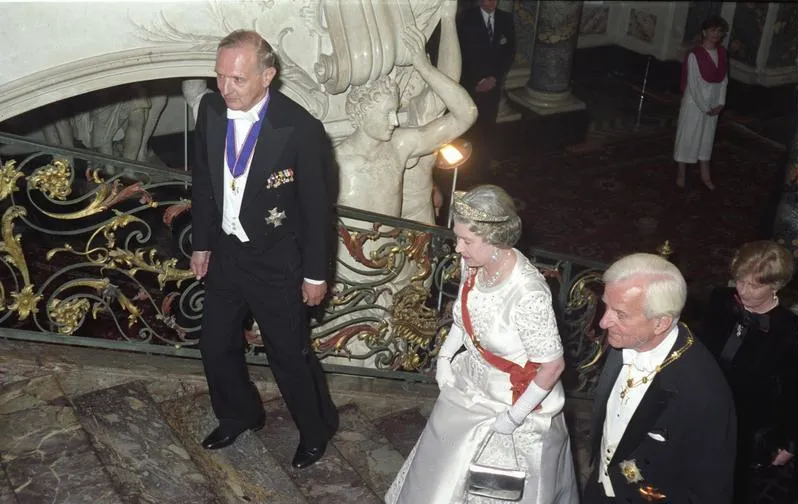
Photo: Jirka, Marie-Josefine, CC BY-SA 3.0 de, via Wikimedia Commons
You know the moment. The orchestra is playing someone off stage, the winner is mid-thank-you, and then — cut. Suddenly you're watching a diamond earring rotate in extreme slow motion like it's auditioning for its own Netflix docuseries. Congratulations: you've just witnessed the jewelry cam, the most reliable viewer magnet in award show broadcasting.
A Second Show Hiding Inside the First
Award broadcasts have always been two events stacked on top of each other: the trophies and the fashion. But in the last few years, networks stopped treating jewelry as a fashion footnote and started treating it as its own programming block. Slow-motion close-ups of necklaces, rings, and ear candy now get planned shot lists, dedicated camera operators, and — this is the part nobody tells you — coordination with the very brands that lent the pieces.
Think of it as B-roll with a business plan. A stylist walks the carpet knowing exactly which angle catches the light off a chandelier earring. A camera op in a golf cart or on a stabilized rig has been briefed to grab three seconds of it. By the time the show airs, that footage is edited into the kinds of montages that dominate Monday-morning group chats.
Why We Physically Cannot Look Away
There's real science-flavored reasoning behind the obsession. Slow motion removes motion blur, letting your eye actually read the facets of a stone — something impossible at real speed. Add a shallow depth of field, a glinting light rig, and a beat drop in the edit, and you've got what editors privately call the "sparkle pop": that moment a diamond flares on screen like it just noticed the camera.
It's also pure aspirational content. Most viewers will never wear a 20-carat pendant to breakfast, but for ninety seconds, the broadcast hands everyone a window into that life. It's the same dopamine loop that made house-hunting shows and supercar reviews into empires — proximity to luxury without the invoice.
The Choreography Behind the Glitter
These shots don't happen by accident. Producers now treat jewelry like a featured performer. Before the show, stylists submit notes on standout pieces — who's wearing what, which stones catch light best, which angle flatters the collarbone. Sponsors and lending houses get quiet assurances about screen time. On the night, dedicated operators are stationed specifically to grab macro footage while everyone else is pointed at faces.
The result is a strange, glittering collaboration: a stylist, a network, a jeweler, and a camera op all quietly rooting for the same three seconds of an earring to go viral. Nobody's name appears on screen, but everybody gets paid in exposure.
When the Montage Beats the Monologue
Here's the uncomfortable part for the Academy-minded: on more than one recent broadcast, the jewelry montages outperformed the acceptance speeches on social. Clips of a rotating tennis bracelet racked up more shares than the emotional thank-you that aired ninety seconds earlier. Networks noticed. So did sponsors.
And honestly? It tracks. A speech is a moment; a diamond in slow motion is a loop. Loops are the currency of the feed. A perfectly shot sparkle can be replayed a thousand times, stripped of context, and still land. An acceptance speech about an agent named Gary cannot.
What Comes Next for the Sparkle Economy
Expect the jewelry cam to keep leveling up. Rumor has it producers are experimenting with dedicated macro lenses on the carpet itself, real-time social cuts of standout pieces during the broadcast, and even branded "stone cam" segments where viewers can identify what a star is wearing with a tap. Jewelry houses, once content with a stylist credit, are now negotiating screen time like they're placing a Super Bowl ad.
The winners in all this? Audiences, mostly. We get a freer, flashier, more obsessive look at the craft of red carpet glamour — and a new reason to rewatch a broadcast that used to be a one-night event. The losers are the speeches. Sorry, Gary.
Because at the end of the day, the encore ends, the speeches blur together, but the sparkle? The sparkle loops forever.