Backup Chains, Insured Ice, and One Very Specific Pendant Clause: The Secret Life of Tour Rider Jewelry Demands
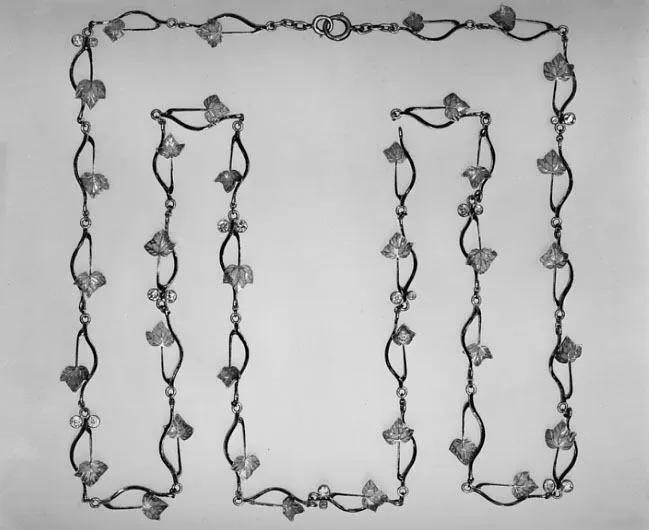
Photo: René Lalique, CC0, via Wikimedia Commons
Tour riders have a legendary reputation. Fans of music trivia know the folklore — the brown M&Ms, the specific bottled water, the fruit that must be at a precise ripeness. But according to the people who actually handle the logistics behind America's biggest tours, the craziest pages aren't about catering at all.
They're about jewelry.
When the Ice Is Worth More Than the Venue
Here's the thing most fans never consider: when a major artist walks on stage wearing several hundred thousand dollars — sometimes millions — in diamonds, somebody is having a very stressful night. That somebody is usually the tour manager, and their peace of mind is written directly into the rider.
Insiders describe jewelry clauses that read like heist movie prep. Some artists require a secure, insured storage room with restricted access at every venue. Others mandate that a specific security team member — sometimes a named individual — be responsible for chains from soundcheck to the tour bus. One stylist we spoke with recalled a rider that required a lockable safe bolted to the floor of the dressing room, because furniture-mounted safes can, apparently, be carried away.
The Backup Sparkle Rule
Our favorite piece of rider trivia, hands down: the backup chain.
When a signature pendant is part of an artist's stage look, some riders require a duplicate — a visually identical stand-in — available at every show. Why? Because if the original gets damaged, lost, or impounded by an overzealous customs officer at the Canadian border (true story, per one insider), the show must go on. The crowd sees the same sparkle. Nobody in the cheap seats knows the difference.
It sounds absurd until you think about it like a Broadway production. You don't send an understudy home. You don't tour with one costume. Why would you tour with one crown?
Insurance, Appraisals, and Paperwork Nobody Warns You About
Before a single show is booked, there's a paper trail that would stun most fans. High-value pieces get appraised, photographed, cataloged, and insured — often under specialized policies that treat jewelry like the assets they are. Stylists describe lugging documentation binders across the country, because if a piece is lost or stolen, the claim process wants receipts, provenance, and proof it existed before the tour bus left the parking lot.
Some riders even specify lighting requirements — certain stones need certain stage lighting to look their best, and if the venue's rig washes out the sparkle, the artist notices. Yes, really. There are people paid to think about whether the diamonds will pop under the lights.
The Human Side of the Bling
For all the absurdity, there's something almost endearing about these clauses. That pendant isn't just a prop — it might be a gift from a late family member, a milestone reward, or a lucky piece that's been at every show since the club days. The riders protect it the way you'd protect any irreplaceable thing you love.
And honestly? After hearing what goes into it, we have new respect for the road crews. Somewhere in America tonight, a tour manager is triple-checking a safe, confirming an insurance certificate, and locating a backup chain — all so the show looks effortless.
The spotlight never dims. But behind it, somebody's making sure the diamonds don't disappear.