He Kept the Stone, She Kept the Story: America's Breakup-Diamond Boom Hits Full Sparkle
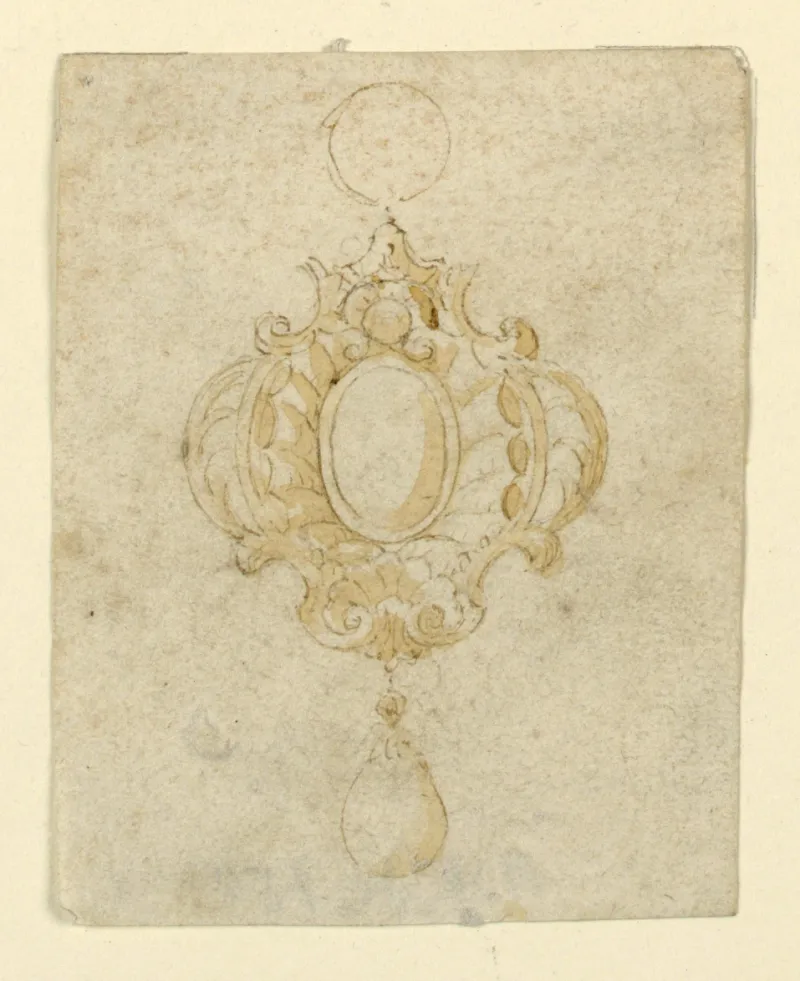
Photo: Unknown artistUnknown artist, Public domain, via Wikimedia Commons
On a Tuesday afternoon in Dallas, a marketing manager named Erin handed a jeweler a small velvet box and asked a question that has become strangely common in 2026: 'Can you make this into something I actually want to wear?'
Inside was a 1.4-carat round brilliant, bought in 2021 for a proposal that didn't stick. Three weeks later it came back as a bezel-set pendant on a paperclip chain — a piece Erin now wears to concerts, client dinners and, she says, 'nowhere near my ex.'
Erin is part of a booming corner of the jewelry business. Call it the recast economy: old engagement diamonds reborn as pendants, signet rings, huggies, even guitar-pick charms. Jewelers from Brooklyn to Austin report that the category has gone from awkward side request to a reliable revenue line, and the clients are not all heartbroken. Some are divorced. Some inherited a stone from a grandmother with a complicated marriage. Some simply bought a ring during the pandemic and have since changed their minds about both the ring and the person.
From Bad Memory to Good Jewelry
The pitch is simple. A diamond is the most expensive thing many Americans own after a house or a car. Locking it in a drawer is a poor return. Recasting turns a dead asset into something with a social life.
'People used to whisper when they asked,' says Priya Nair, a third-generation jeweler on Chicago's Jewelers Row. 'Now they bring friends. It's a whole appointment. They call it the rebirth.'
The rebirth does not come cheap. Bench work, CAD design, a new setting and labor can run $800 to $4,000 depending on complexity, before metal. A full recut — reshaping the stone itself — adds more. But compared with buying a comparable new piece, the math often works. The diamond already exists. The client is paying for transformation, not carat.
The Bench Behind the Breakup
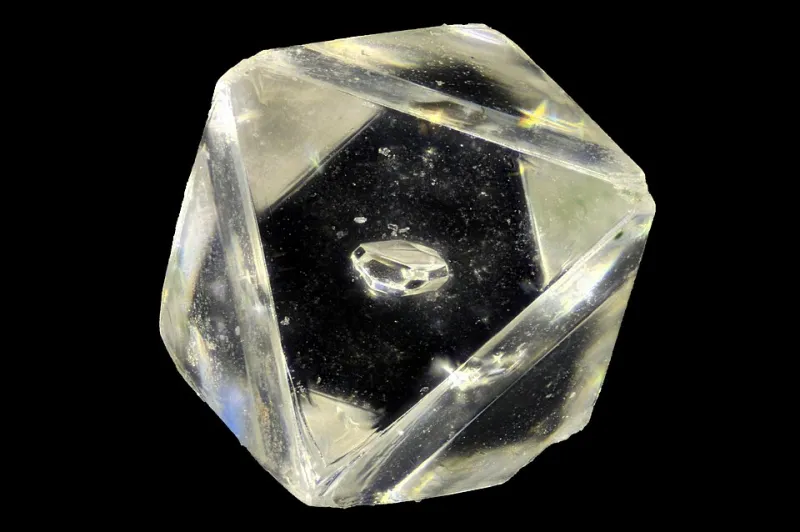
Recutting is where the story gets technical. A cutter studies the stone under magnification, maps inclusions, and decides whether to sacrifice weight for fire. A poorly cut 1.5-carat can become a better-proportioned 1.35-carat that looks bigger and brighter. Or it can become a 1.2-carat with a visible flaw. The difference is skill, and the difference in value can be thousands.
'We tell clients the truth: recutting is surgery, not magic,' says Marcus Bell, a cutter in New York's Diamond District who estimates breakup work now makes up nearly a fifth of his custom jobs. 'Sometimes the best move is no cut at all. Just reset it and let the stone be what it is.'
Appraisers caution that recutting usually lowers carat weight, which can lower the paper value even when the stone looks better. A fresh GIA report after recutting is common for higher-value stones; for smaller ones, a reputable jeweler's documentation may suffice. Either way, buyers should ask for before-and-after measurements, not just photos.
The Paperwork Nobody Posts
Then there is the legal side. Who owns the diamond? In many breakups, the answer is murky. A ring given as a conditional gift can be subject to state law, and a stone inherited from a parent may be part of an estate. Estate lawyers say they are seeing more questions about jewelry division, especially when a family piece is involved and siblings disagree.
'Get it in writing before the bench touches it,' says Los Angeles estate attorney Camille Ortiz. 'A one-page agreement about ownership and insurance is cheaper than a dispute.'
Insurance matters too. A recast piece needs a new appraisal and a rider. Jewelers say clients often forget this until the piece is already on the bench. In 2026, with metal prices jumpy and custom work booked out weeks in advance, a little planning goes a long way.
Sentiment, Certified
What makes this moment different is not the mechanics. People have reset inherited stones for generations. What is new is the attitude. The breakup diamond has become a status symbol — a visible sign that someone survived something and kept the asset. On TikTok and Instagram, the before-and-after reveal is its own genre: the ring shot, the jeweler's saw, the pendant drop.
Therapists who work with clients after long relationships say the ritual can be healthy, provided it is not a way to avoid grief. 'Turning a symbol into something new can be genuinely reparative,' says Dr. Lena Whitfield, a psychologist in Seattle. 'But it works best when the person has actually processed the ending, not just redecorated it.'
Erin, for her part, is clear-eyed. The pendant is not a revenge trophy. It is a good stone with a better setting and a story she controls. 'I paid for it,' she says. 'I might as well wear it.'
For US buyers considering the same move, jewelers offer a short checklist: confirm ownership, get a written estimate, ask what recutting will do to weight and clarity, request documentation of the original stone, and insure the finished piece. And maybe skip the urge to engrave the ex's initials. Nobody needs that on a chain.