Torque Wrenches and Tiara Tape: The Road Crew That Fixes Diamonds Between Soundcheck and Showtime
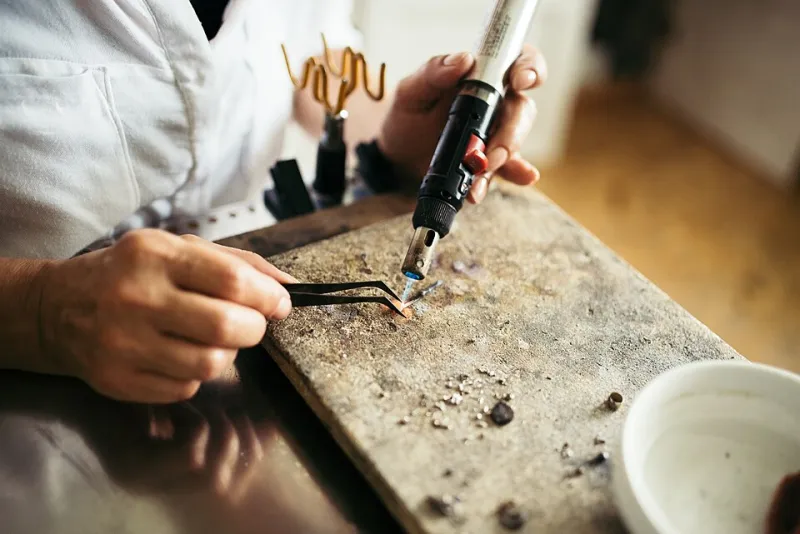
Photo: Shixart1985, CC BY 2.0, via Wikimedia Commons
Twenty Minutes Until Doors
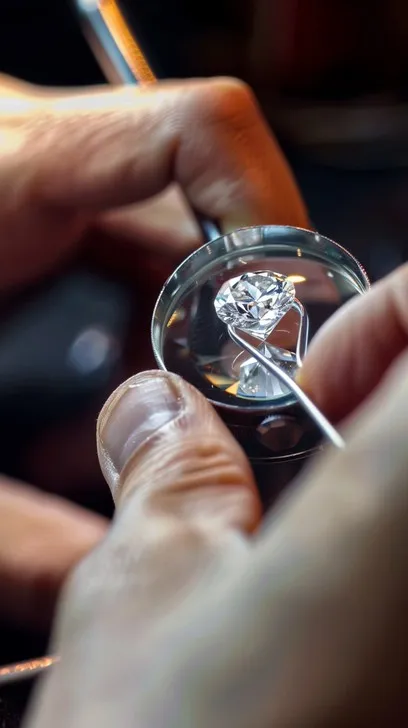
The arena smells like cable and cold pizza. Somewhere above the stage, a lighting rig is being tested, and the support act is arguing about monitor levels. In a windowless back office that's been converted into a makeshift workshop, Marcus Delgado is hunched over a pair of diamond drop earrings under a clip-on LED lamp, checking prong tension with a jeweler's loupe and a tool that looks borrowed from a bike shop.
He has, by his own estimate, about fifteen minutes before the artist's stylist comes back for them.
"People think the hard part is the diamonds," Delgado says, not looking up. "The diamonds are fine. The diamonds don't care. It's the settings. Three nights of jumping around in a stadium show, and everything works itself loose. Everything."
Part Jeweler, Part Roadie
Delgado is one of a small, unadvertised group of technicians who travel with major tours — not as jewelry vendors, but as maintenance. Think of them as the pit crew for the ice. When a choker needs re-seating before a live TV broadcast, or a ring has to be resized after two months of catering and climate swings, these are the people who get called at midnight.
The job description doesn't exist on any résumé site. You need bench jeweler skills — stone setting, prong work, soldering — but also the temperament of a touring veteran. Shows get moved. Flights get missed. The workshop might be a production office, a hotel bathroom with good lighting, or, in one legendary story, a catering truck in a Texas parking lot.
"You're not a shop," Delgado explains. "You're a service. The shop is wherever the problem is."
The Toolkit
Open Delgado's Pelican case and you'll find a strange hybrid of two worlds: precision screwdrivers, a flex shaft with attachable burs, prong pushers and pliers, alongside gaffer tape, zip ties, and a headlamp. There's also a bottle of industrial-grade jewelry cleaner and a microfiber cloth that has seen better decades.
The most important item, though, is paperwork. Every piece on tour is photographed, serialized, and logged with its insured value. Before Delgado touches a stone, it gets documented again — timestamped, witnessed, and countersigned by a tour manager or the stylist. Insurance carriers for tour jewelry often require it, and a single uninsured loss on a six-figure piece can end a career and a friendship in the same phone call.
"The paperwork is boring until the day it saves you," he says. "Then it's the only thing that matters."
Three Cities, One Pair of Hands
Following a technician through a tour leg is a lesson in logistics. Delgado's recent run looked like this: Miami on Tuesday, Orlando on Wednesday, Tampa on Thursday. Each night, the same routine. Post-show pickup, usually around 11 p.m. Inspect everything that was worn. Flag anything questionable. Overnight cleaning and tightening. Morning delivery before wardrobe.
The middle night is where things get interesting. In Orlando, a princess-cut stud worked itself loose during the second song — the artist felt it, mentioned it to her stylist mid-set, and the message made its way to Delgado by the song's end. He met the piece at the loading dock during the costume change, re-seated the stone under a work light with the opening acts' bass thumping through the wall, and had it back in the dressing room in nine minutes.
"A blown amp, they patch it and move on," he says. "A loose stone, she's thinking about it every time she turns her head. That's worse. That's a distraction in 4K."
Why Nobody Talks About This
The low profile isn't an accident. Artists and their teams are protective of their jewelry — both for security reasons and because the provenance of certain pieces can be a whole conversation nobody wants to have publicly. Most technicians work under NDAs and get paid through production companies rather than the artist directly.
Delgado doesn't name clients. He'll tell you he's worked "one leg of an arena pop tour and a lot of residencies," which in this world is roughly the same as saying nothing and everything.
What he will say is that the work is growing. Tours are bigger, jewelry budgets are bigger, and choreography is more athletic than it's ever been. Ten years ago, a pop star might wear one statement piece per show. Now a costume change might involve four, each with its own insurance rider and its own failure points.
The Fifteen-Minute Standard
There's an unwritten rule in this niche: if you can't make a piece stage-ready in fifteen minutes, you've already failed. That window shapes everything — the tools chosen, the repairs attempted, the advice given. Delgado keeps a running list of pieces he's recommended retiring from tour, and he delivers that list with the same tone a mechanic uses when telling someone their transmission is done.
"Sometimes the right call is, that piece stays home," he says. "The artist wants to wear it every night. My job is to be the person who says, not this week."
When the house lights finally drop and the opening notes hit, Delgado is usually standing in the wings, arms crossed, watching the jewelry do its job. He doesn't watch the artist. He watches the ears, the neck, the hands — looking for the tell-tale tilt of a stone that's starting to go.
"Nobody in that crowd knows I exist," he says, smiling. "That's the review. Five stars, no stars, whatever. The show went on and the diamonds held."
Somewhere out there, a princess-cut is holding on for dear life. And somewhere backstage, a man with a loupe and a torque wrench already knows.