No Label, No Problem: The New Playbook of DIY Diamond-Level Branding
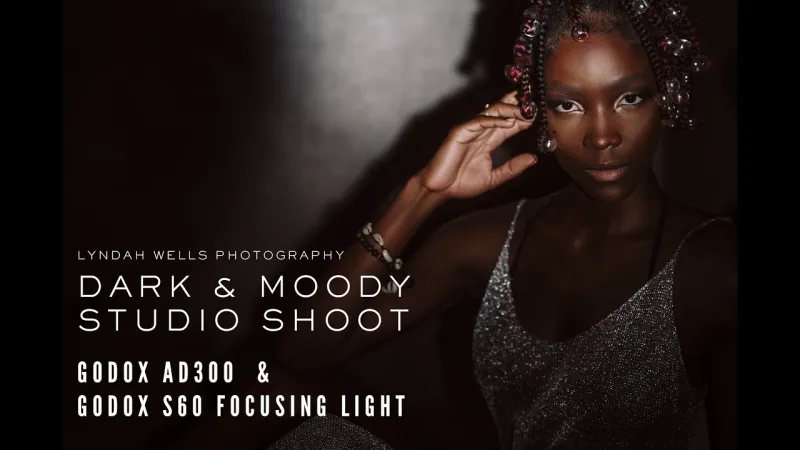
Photo: independent musician luxury jewelry studio photoshoot moody lighting, via i.ytimg.com
There was a time when the diamond-encrusted look came with a diamond-encrusted invoice — label advances, exec producers, a small army of stylists. Not anymore. Scroll through any playlist, any TikTok feed, any SoundCloud rabbit hole, and you'll find unsigned artists shot like they're fronting a maison: iced-out visuals, silk and marble aesthetics, album art that looks like a Vogue spread. The luxury fantasy went open-source.
The Aesthetic Is the Algorithm
The logic is brutally practical. Streaming platforms don't sell records; they sell attention, and attention is won in the first half-second of a thumbnail. A diamond — or the suggestion of one — is the fastest visual shorthand in culture for "made it." An independent artist with 4,000 monthly listeners can frame themselves with the same iconography as a superstar, and the thumbnail does the rest.
This isn't accidental. Rising creators study color grading the way old A&R reps studied radio. Warm golds, deep blacks, reflective surfaces, slow-motion jewelry close-ups — it's a shared visual grammar, and it travels across platforms effortlessly. A 15-second clip of a pendant catching light can outperform the song itself as a marketing asset.
Inside the Playbook
Talk to artists building this way and a few patterns keep surfacing:
Rent the fantasy, own the brand. Studio rentals, prop jewelry, borrowed cars — the imagery is often staged for a single shoot, not owned. What's owned is the content library and the persona it feeds.
Consistency over budget. One great luxury-coded photo does nothing. Fifty consistent ones — same palette, same energy, same silhouette — build a recognizable world fans can step into.
Scarcity drops. Indie artists are importing luxury retail tactics: limited merch runs, numbered vinyl, pop-up-style announcements. If it feels like a boutique, it can be priced like one.
Direct-to-fan economics. With Bandcamp, Patreon, and Discord communities, the artist keeps the margin. The glamour funds itself, which means the glamour never has to be signed away.
From Miami to Everywhere
The movement has deep American roots. Southern hip-hop built an entire economy around ice — from Memphis tape-trading days to Atlanta's jewelry culture — long before the internet democratized the look. What's changed is access. A kid in Ohio with a ring light, a rented fur, and a $30 prop chain can participate in a visual tradition that once required a co-sign.
Pop and R&B independents are running parallel plays, trading on vintage Hollywood glamour — think old-money gowns, pearl-and-diamond mood boards, black-and-white shoots that scream mid-century Manhattan. The through-line is aspiration made visible.
The Skeptics Aren't Wrong
It's fair to ask whether all this is just costume. Some critics argue the aesthetic outruns the artistry — that we're rewarding presentation over songcraft. There's truth in that. But the counterargument is just as old as show business: the look was always part of the music. Elvis had the jumpsuit. Bowie had Ziggy. The diamond fantasy is simply this generation's stage costume, available to anyone with a camera and a concept.
What It Means for Star Power
Here's the uncomfortable implication for the major-label system: the thing labels used to sell — access to glamour — is now something artists can manufacture themselves. When the fantasy is buildable in a weekend shoot, the leverage shifts. We're already seeing it: artists staying independent longer, negotiating from a position of visual brand equity, turning down deals that once would've been automatic.
The diamond, in that sense, has become a metaphor for the whole era. It's not about whether the rock is real. It's about whether the shine convinces you — and increasingly, it does.