Sold Out in Nine Minutes: The Wild Rise of Music's Jewelry Merch Economy
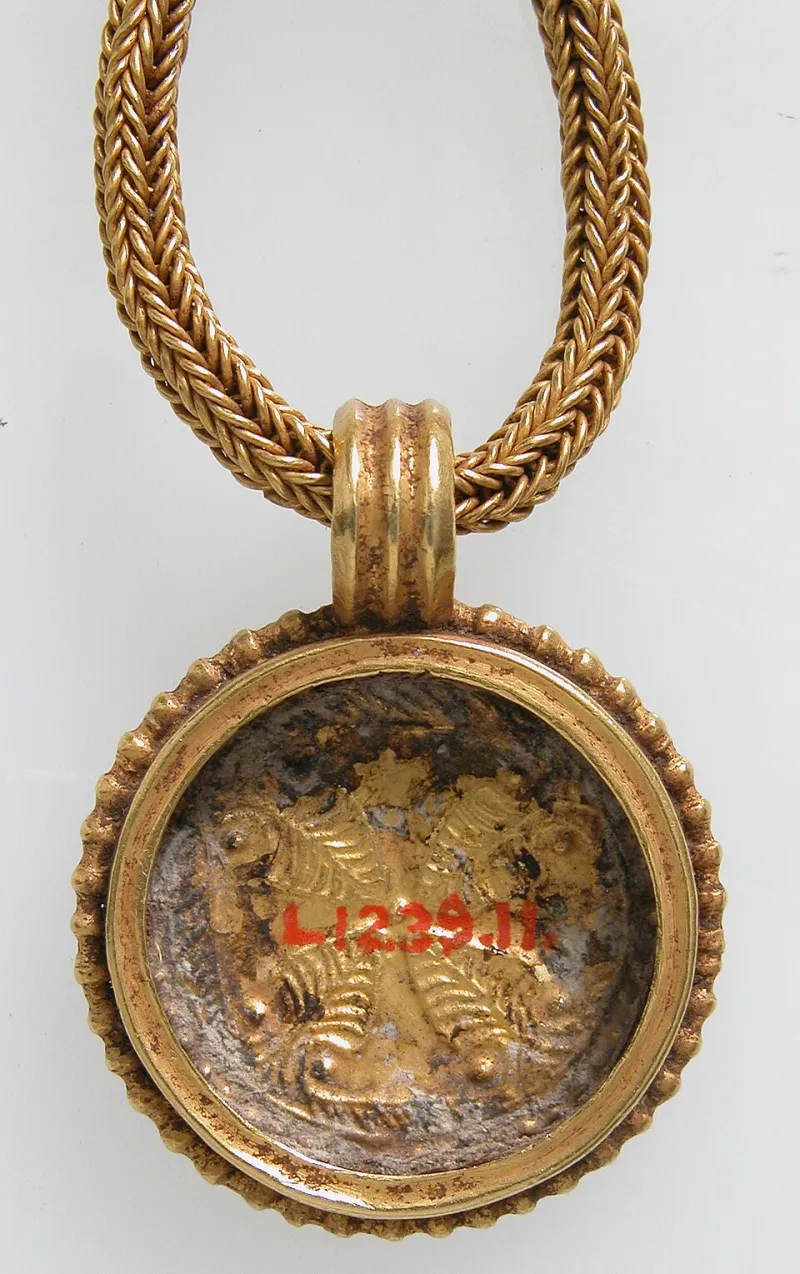
Photo: Unknown, CC0, via Wikimedia Commons
The classic merch table used to be a folding table stacked with tour tees, maybe a hoodie if the artist was feeling ambitious. That table has evolved. These days, some of the most coveted items in an artist's entire merchandise lineup aren't apparel at all — they're pendants, chains, and rings, priced like real jewelry and dropping like sneakers.
And fans are treating them accordingly.
When the Pendant Becomes the Album Rollout
The playbook goes something like this: an artist wears a distinctive piece throughout an album era — in the cover art, the lead video, the late-night performance. Fans clock it immediately. Then, right around release week, a limited-edition replica hits the official store. Quantity capped. Timer on the page. Comments section already in chaos.
The genius is in the timing. Jewelry tied to an album isn't just merch; it's a physical artifact of a cultural moment. Wearing the pendant says you were there — streaming on release night, memorizing the tracklist, part of the first wave. No tour tee can quite replicate that claim.
Ranking the Collab Playbook
Not every jewelry drop lands, but the winners tend to follow a pattern worth studying. A few archetypes that have defined the space:
1. The Signature Replica. The artist's actual chain, downsized and made wearable for the masses. Highest emotional value, highest resale ceiling. When the original piece is iconic enough, the replica sells itself.
2. The Lyric Pendant. A phrase or symbol pulled straight from a hit song, rendered in gold or silver. Lower price point, massive volume, and the kind of piece that lives on long after the album cycle ends.
3. The High-Fashion Crossover. When an artist partners with an established jewelry house rather than a merch manufacturer. Limited, expensive, and treated by collectors more like art objects than fan gear.
4. The Fan Club Exclusive. Available only to members, often numbered. This one weaponizes loyalty — and quietly pioneered the subscription-plus-scarcity model that so much of the music business now runs on.
The Resale Market Has Entered the Chat
Here's where things get genuinely wild. Popular drops — especially the limited replicas of pieces worn in era-defining videos — routinely flip for multiples of retail on resale platforms. A $200 pendant can command four figures once it's sold out and the album goes platinum. Collectors document the market the way sneakerheads track Jordans: original retail, resale average, "grail" status.
Some artists have leaned into this deliberately, treating scarcity as strategy. Others have publicly pushed back, restocking pieces to keep prices fair and undercut scalpers. Either way, the secondary market has become a barometer of an era's cultural weight. If the pendant is flipping, the album hit.
Fandom or Fashion? Yes.
So what's the verdict — is wearing your favorite artist's chain an act of devotion or a style statement? Honestly, the line dissolved a while ago.
For superfans, the jewelry is a badge, a conversation starter, a way to spot your people in a crowd. For fashion-first buyers, plenty of these pieces are simply good design that happens to carry a story. And plenty of wearers are both at once, which is exactly why the category keeps growing.
The music industry spent decades teaching fans that loving an artist meant wearing their name on a shirt. The jewelry era just made that message a lot shinier — and a lot more valuable. At Diamonds Unleashed, we've said it before and we'll say it again: the spotlight never dims. Sometimes it just gets strung on a chain.