Say the Stone, Move the Market: When a Bar of Music Becomes a Receipt for Diamonds
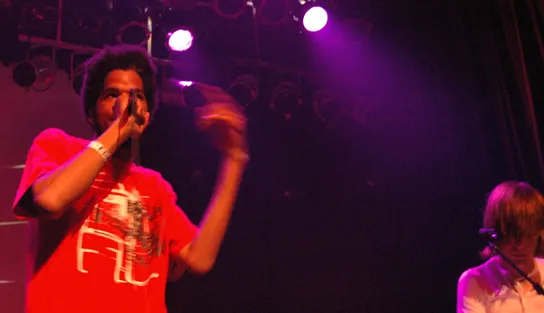
Photo: Photo-by: Alex Batko, CC BY-SA 2.5, via Wikimedia Commons
Every jeweler in America has a story about the moment the phone started ringing.
For Marcus Ellison, who runs a custom shop just outside Atlanta's Perimeter, it was a Tuesday in 2022 when a certain triple-platinum verse name-dropped "VVS" for what felt like the hundredth time that year. By Thursday, he'd written more quotes for clarity-obsessed customers than he had in the previous six months combined.
"Guys were coming in saying 'I want what he had in the video,'" Ellison laughs. "And I'm like, my man, that was a $400,000 piece. You want to see my layaway plan?"
This is the strange, largely unwritten chapter of the modern music economy: rappers have become the gem industry's most effective — and completely unpaid — marketing department.
The Lyric Is the Ad
There's no sponsorship paperwork here. No brand deal, no affiliate link, no "#ad" in the caption. Just a songwriter who liked a stone, dropped it into a hook, and watched the demand curve bend in real time.
Trade data from the Gemological Institute of America's consumer research and independent jeweler surveys have long hinted at the phenomenon, but the pattern is unmistakable when you line up the moments side by side. When certain artists made "VVS" shorthand for top-tier clarity, searches for the term exploded. When canary yellow stones showed up in Southern rap videos in the early 2000s, yellow diamond requests jumped at dealers nationwide. When a marquise cut became the centerpiece of a viral engagement-adjacent lyric cycle, the elongated shape — long considered a bit fussy by younger buyers — suddenly had a waiting list.
The mechanism is simple: a lyric gives a stone a story, and in jewelry, story is everything. A round brilliant is a round brilliant until a platinum verse makes it a personality trait.
Five Moments That Moved the Case Count
Ask veteran jewelers and the same touchstones keep coming up.
The VVS era. Clarity grades used to be the driest part of any GIA certificate. Then hip-hop turned "VVS" into a flex, a status marker, and eventually a full aesthetic. Jewelers report that even customers who couldn't articulate what "very very slightly included" meant understood the assignment: VVS meant the good stuff.
The canary wave. Yellow diamonds had a moment in the sun when Southern rap royalty made saturated yellow stones the centerpiece of their collections. Dealers in New York's Diamond District remember the run-up in demand for fancy intense yellows that followed.
The marquise resurrection. Written off as a shape for another generation, the marquise got a second life when a new wave of artists made the eye-shaped stone their signature. Suddenly the silhouette was on tour stages and magazine covers — and in custom orders.
The heart-cut comeback. Long the punchline of the diamond world, heart shapes found redemption through artists who wore them with zero irony. Ironic became aspirational, as it always does.
The tennis chain renaissance. Not a stone, but a setting — and the effect was identical. The classic tennis chain went from mall-jewelry staple to must-have after a string of chart-toppers made it a daily-wear piece rather than a formal one.
The Jewelers' View From the Counter
The people behind the counter describe the pattern with a mix of gratitude and whiplash.
"You can literally chart our inventory against the Billboard Hot 100," says a second-generation jeweler in Houston who asked to be identified only as R. "If a stone shows up in three top-ten songs in a quarter, I better have it in stock or I'm sending customers to my competitor."
The spikes also reshape what gets made. Custom shops that once specialized in round brilliants now keep marquise blanks on hand. Suppliers report longer lead times on fancy-color stones following any high-profile lyrical moment. Even insurance appraisers feel it — one LA appraiser noted that the weeks after a major lyric moment bring a wave of clients wanting their pieces documented "like the ones in the song."
Free Marketing, Multi-Billion Dollar Industry
Here's the kicker: the gem trade spends enormous sums on traditional advertising, and none of it performs like a bar of music. A single lyric can reach more potential buyers in a weekend than a year of print campaigns — and it comes with something money can't buy: cultural permission.
Nobody at a diamond marketing firm could convince a 24-year-old in Detroit that a heart-cut stone is cool. An artist he's had on repeat since middle school can do it in four syllables.
There's an irony here worth savoring. The diamond industry spent a century building desire through carefully manufactured romance — the famous mid-century campaigns that convinced an entire country a rock was a requirement. Today's demand engine is messier, faster, and entirely uncontrolled. A songwriter picks a stone because it rhymes, or scans well, or just looks good under stage lights. The market moves.
No contract. No fee. No approval process.
Just sparkle, unleashed at the speed of sound.